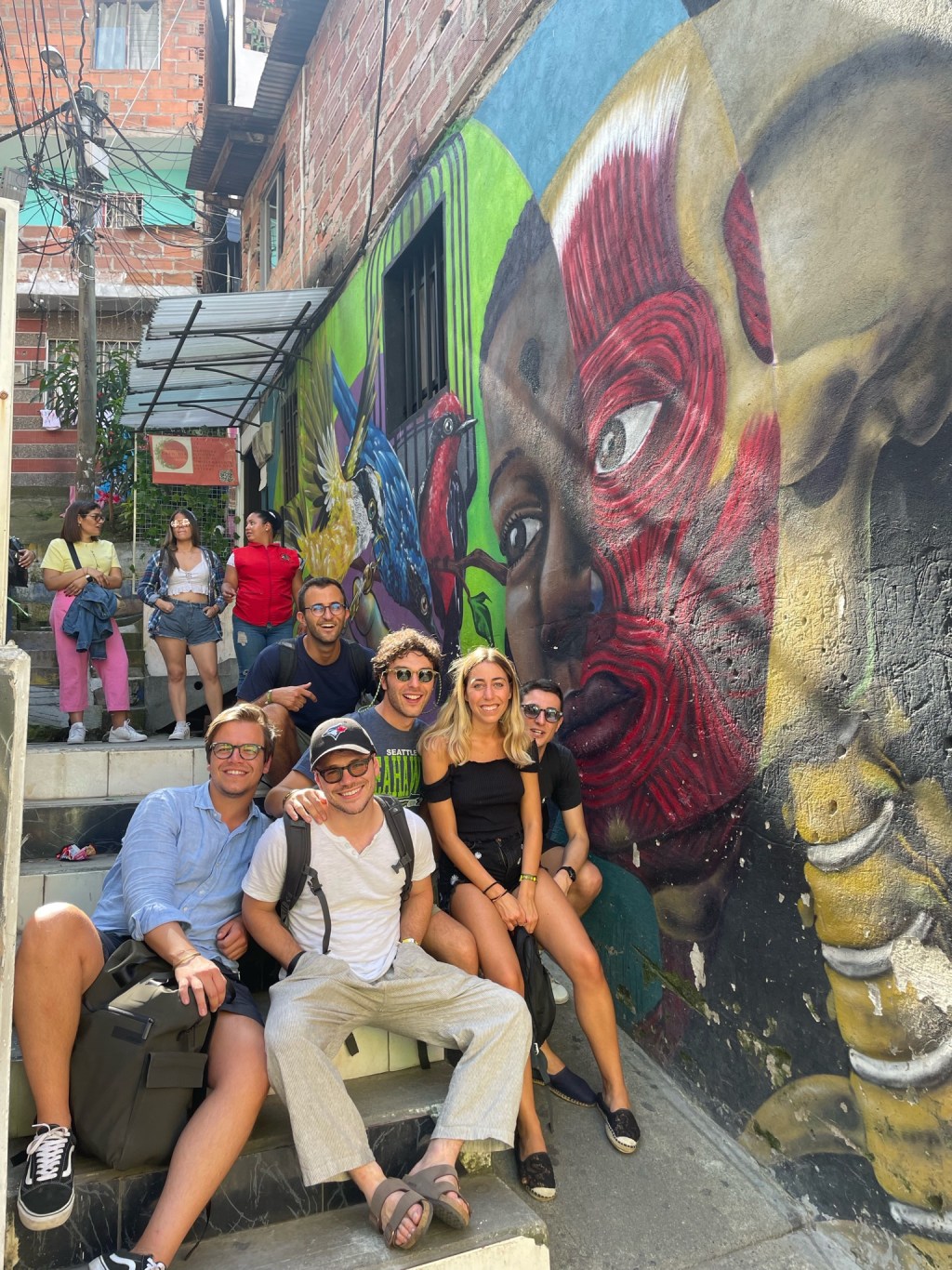
I wish every trip had the same impact on me as Colombia did, it was stunning. Few reasons are behind that: the fact that it is not yet a very common tourist destination, the South American people, or the fact that it was the first time I met indigenous populations.
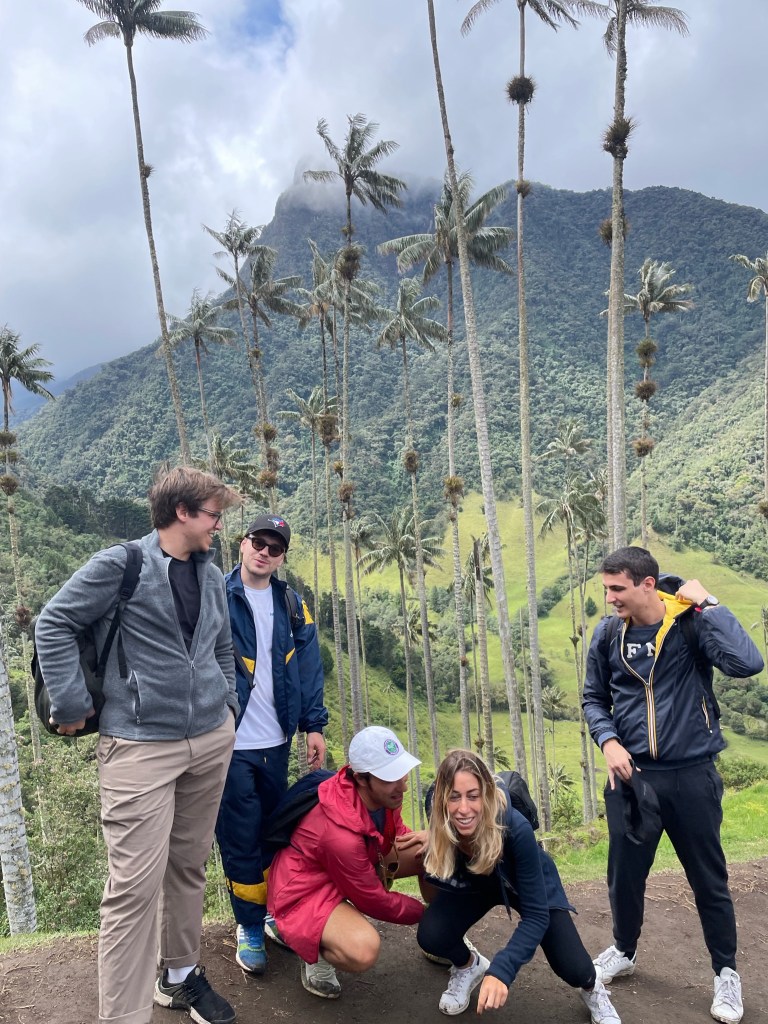
The amazing team this time was made of Ludo (the planner), Ale, Dile, Japi, Ema, Eri and me.
This is how we planned our travel:
- Bogotà
- Salento
- Medellin
- La guajira
- Tayrona National Park
- Cartagena
- Bogotá to fly home
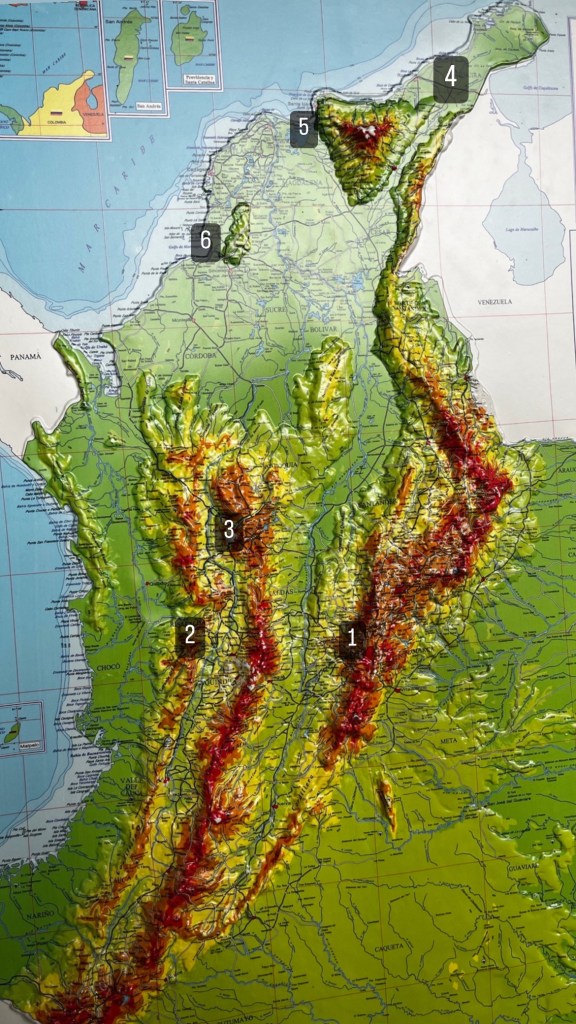
I usually just focus on highlights, but for this travel I’ll share with you a description of every stop.
1️⃣ As we had a very packed itinerary (to fit so many destinations in 18 days was very challenging), we decided to keep Bogotà as a stop for connecting to another location, however we did a little tour of the city, who was quite lively for a Tuesday evening, and had a meal in Suna.

Road to Salento
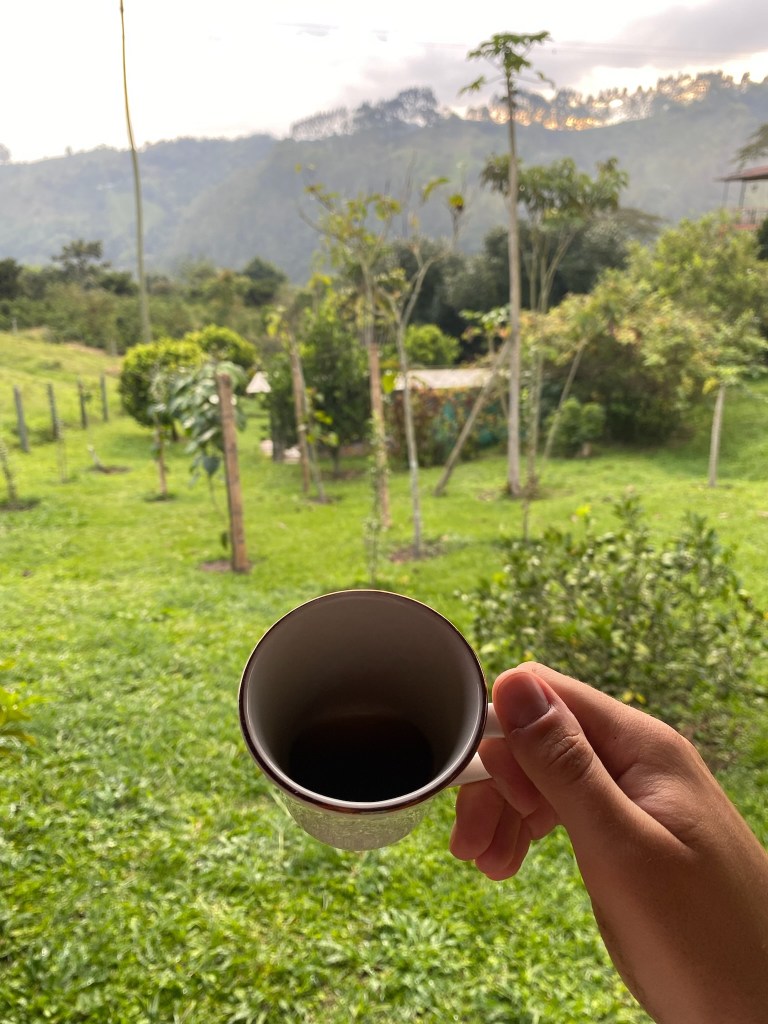
2️⃣ Salento: this is the name of a village located in Valle cafetera, one of the main coffee area of Colombia. We took a transfer from Armenia Airport, organized by the hostel where we were staying (Coffee Tree hostel ). It’s one of the oldest towns in Quindío and quite a touristy place. Salento is surrounded by coffee farms and, as you probably know, the Cocora Valley.

The village itself is small but quite characteristic. It has colorful houses and locals riding around with horses or old 4x4s. In the main square there are a few restaurants as well as 2 bars with music opened till late night. We initially planned 3 entire days for this location but immediately discovered 2 were quite enough and found a wonderful alternative for the third day.
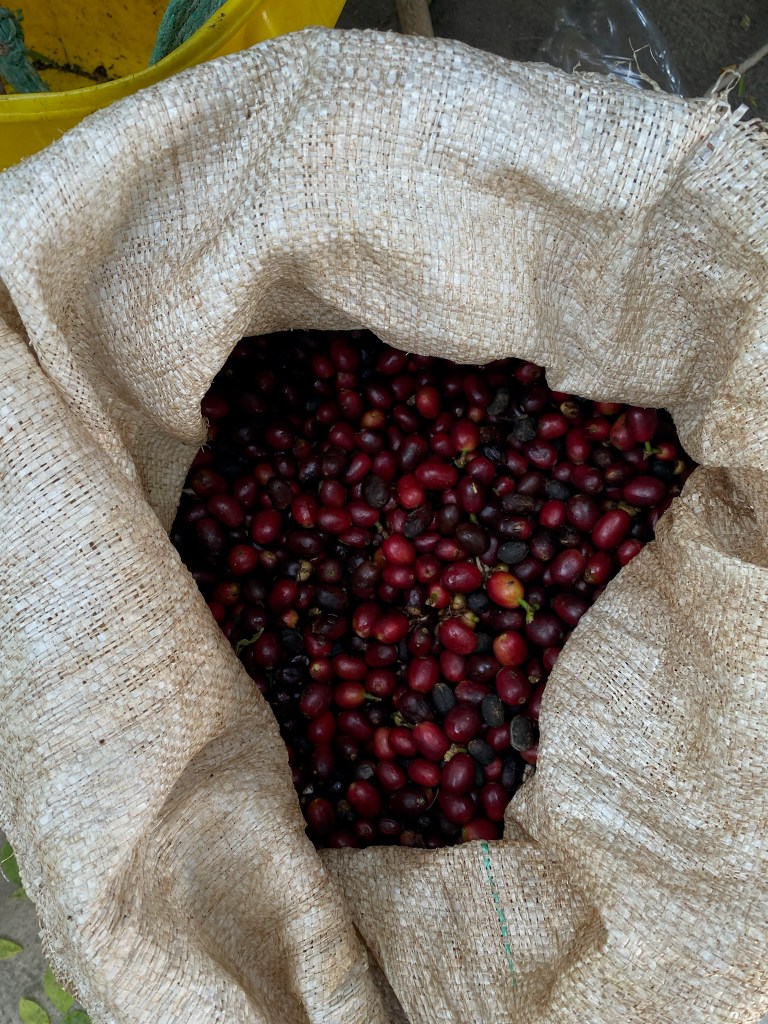
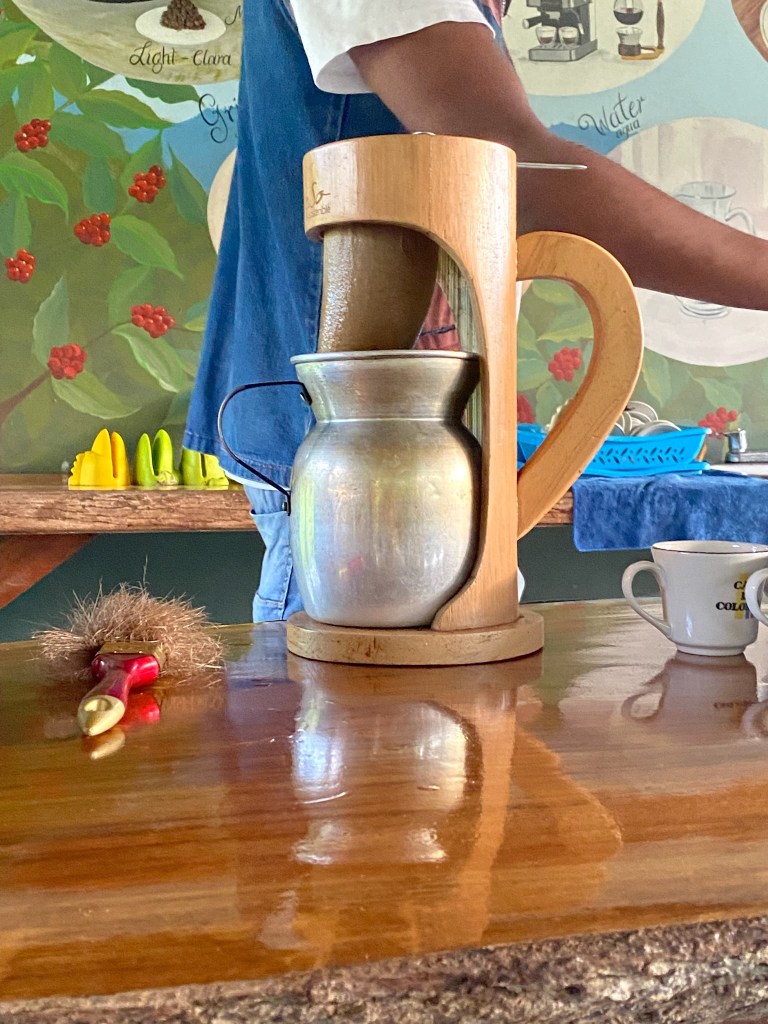
The first activity was to visit a coffee farm, we actually went out in the fields and look for coffee, and the farmers taught us over the history of coffee in Colombia as well as the different methodologies around coffee harvesting.
Cocora valley
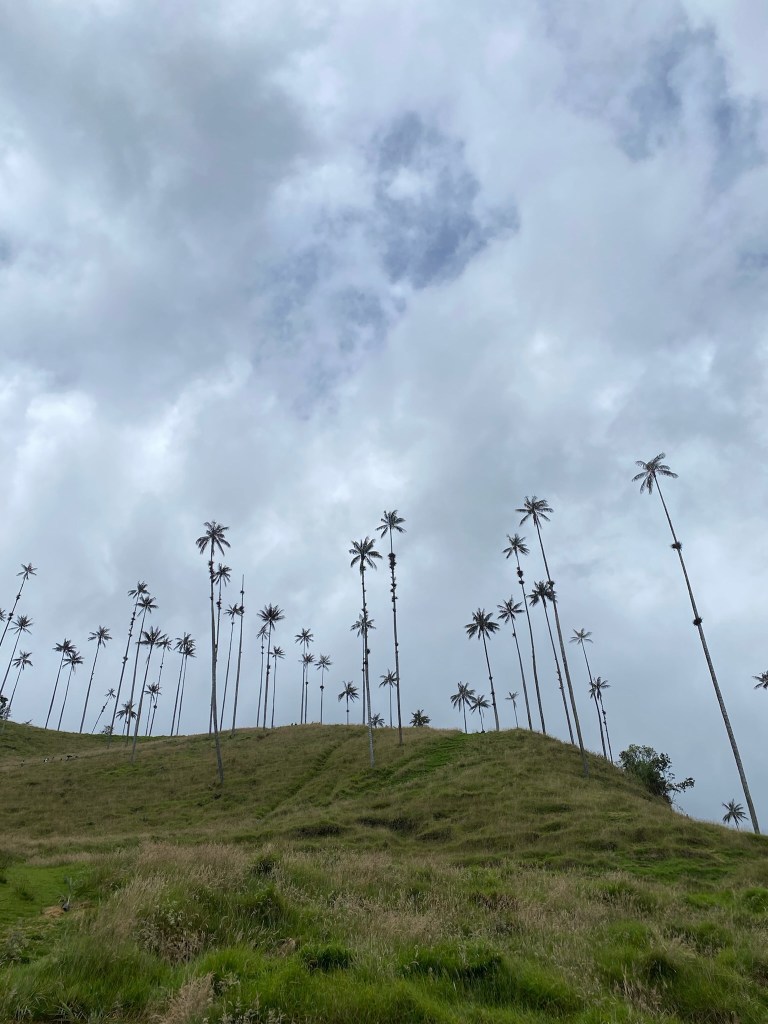
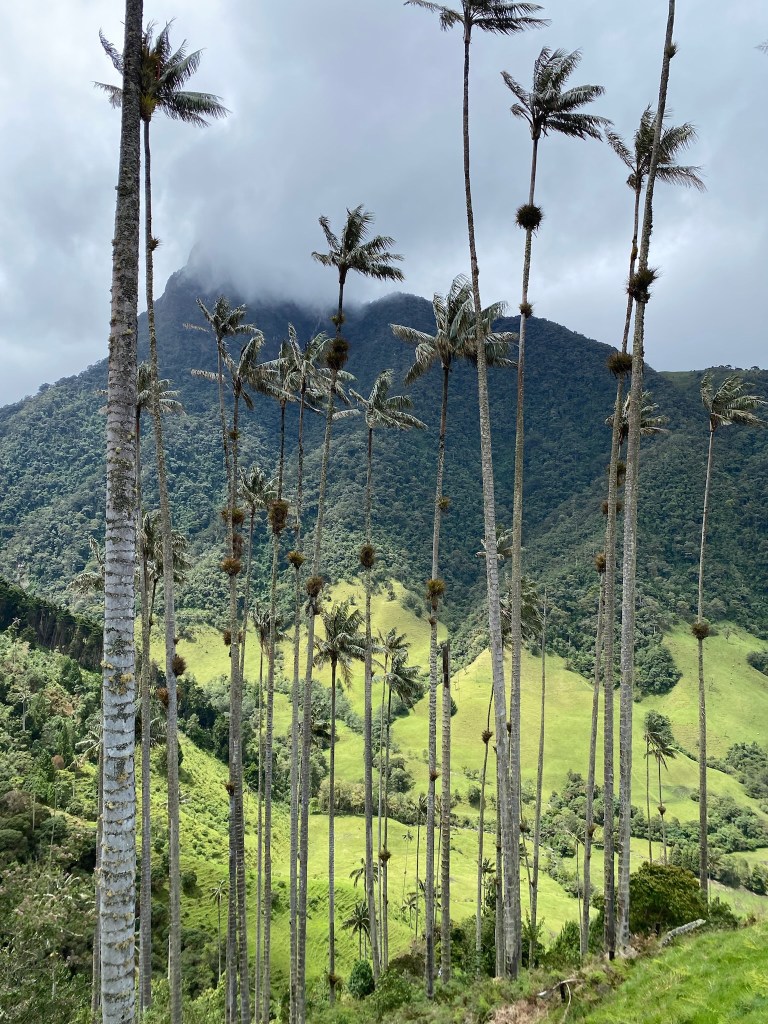
From Salento you can purchase a ticket for a jeep transfer, taking you to Cocora Valley trek starting point in just 30 minutes. You’ll have few options here, but I strongly suggest to have the complete hike, yes it’s tough and a bit tiring, but definitely worth the fatigue. The valley is full of its typical This Wax Palms, species that can grow to a height of 45 m to 60m.It is the tallest monocot in the world. Have a check in the gallery below


After the second night in Salento we were planning to stay another day there and connect to Pereira during the evening, but we decided to head (via private transfer) to another destination full of locals: termales san Vicente. This is a thermal destination famous amongst Colombian but yet not discovered by international tourists.
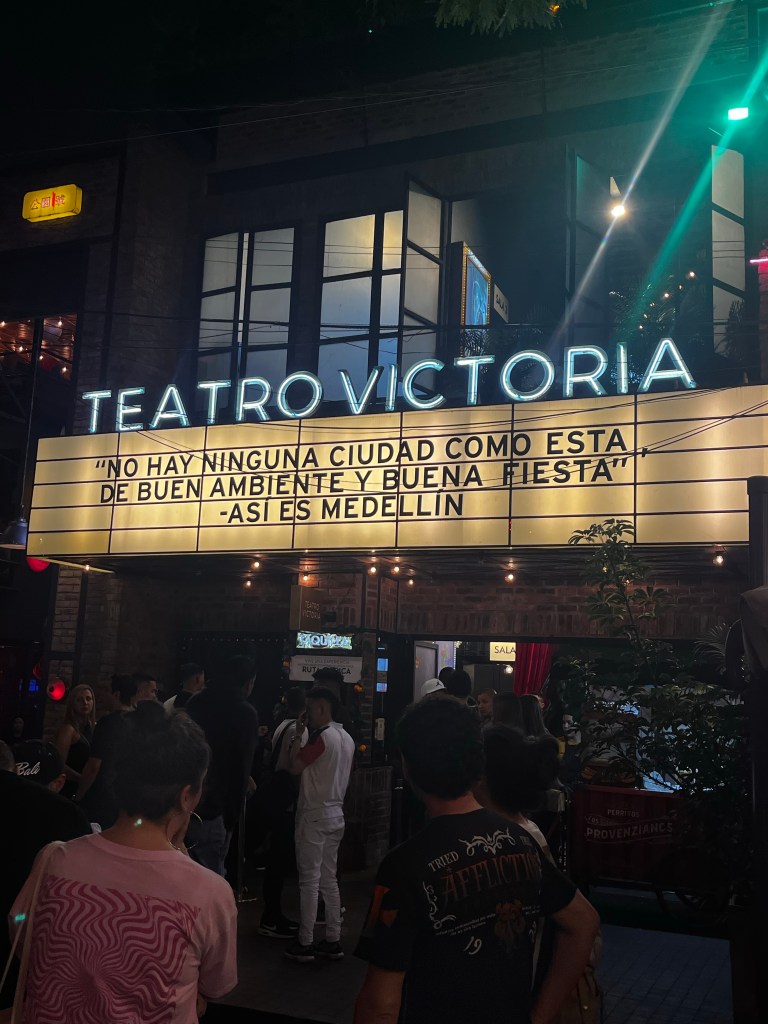
3️⃣ Medellín: do you like raeggeton music? Welcome to the temple, home of J Balvin, Karol G, Maluma and so on. In the last few years, Medellin has transformed into a place of optimism becoming a vibrant and growing city. La ‘ciudad de la eterna primavera’ hit me, and we were lucky enough to celebrate la ‘Feria de Flores’. During the first two weeks of August Medellín celebrates its fertile Antioquian grounds as flower harvesters strap magnificent floral displays to their backs and parade down the streets of the city like proud peacocks. Concerts and street parties are ever-present at this time. And we were able to witness that.
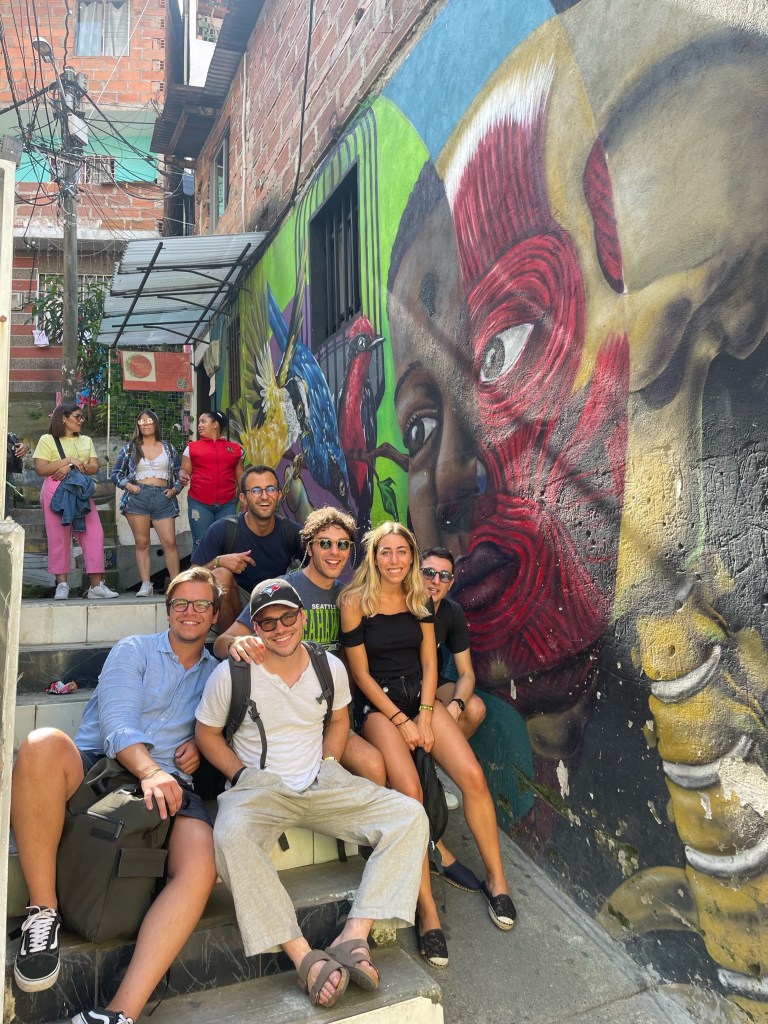
Medellín
We were staying in El Poblado, the most exclusive area of the city. The hostel was cozy enough, yet too expensive (during the first two weeks of august prices usually reach 3x the normal tariff).
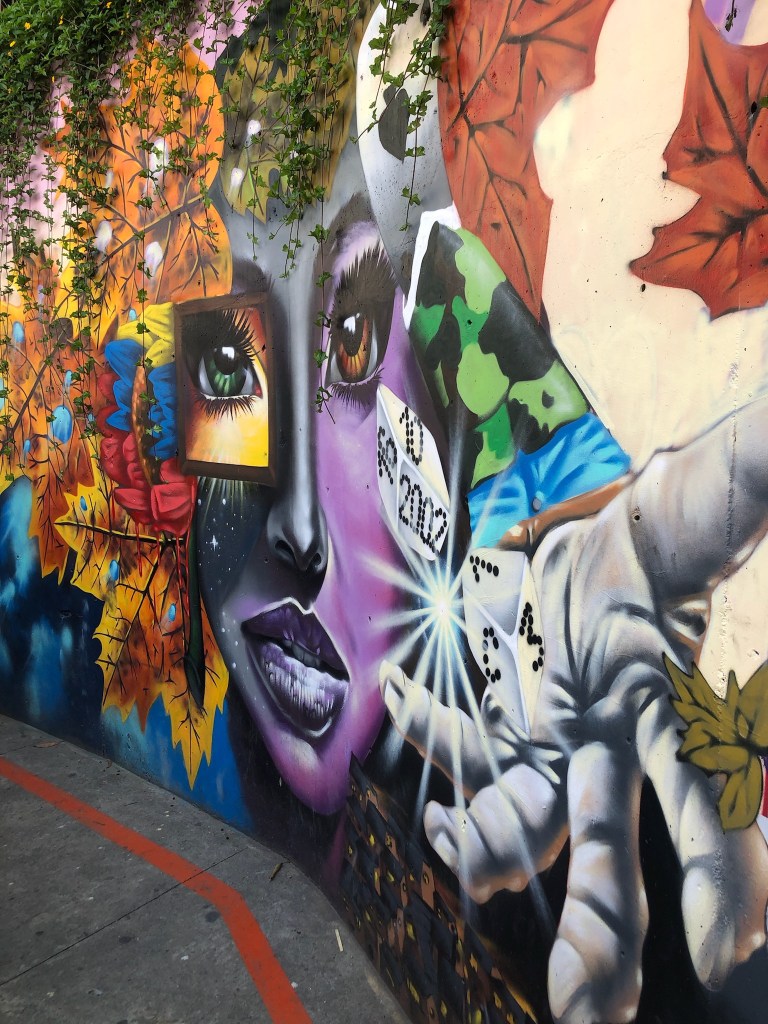
Must see: Comuna 13.
We witnessed the real transformation happening in the city by visiting a neighborhood called Comuna 13. This is the place with the most tumultuous history of the city, once labeled the most dangerous place in the world.
The zone is still overpopulated and low socio-economic, and was once very useful to organized crime because of its narrow streets and proximity to the highway and thus, to northern Colombia.
In Comuna 13, you’ll find a lot of murals that represent the history of the municipality. I recommend getting a local guide to show you around. You can find many around the comuna.

4️⃣ after 4 intense days we headed to the most incredible part of this adventure: ‘La guajira’. This is a huge carribian desert covered in giant sand dunes, salt pans and picturesque beaches, and home to Colombia’s largest indigenous population: The Wayúu. They are known as the people of the sun, sand, and wind. The community is matrilineal and is made up of about 30 clans that are represented by distinct animals. The mother’s brother is an important father figure for the children, and women have a great deal of autonomy and are active in the political life of the community. Women and men are both spiritual leaders. We had to go through a local travel agency to visit them, as you cannot get to these places on your own; the desert is a harsh terrain, and only drivers with experience can get you there. We stopped by Uribia, salinas de Manaure, Cabo de la vela, Pilon de Azucar, Punta Gallina and several Wayuu villages in our way.
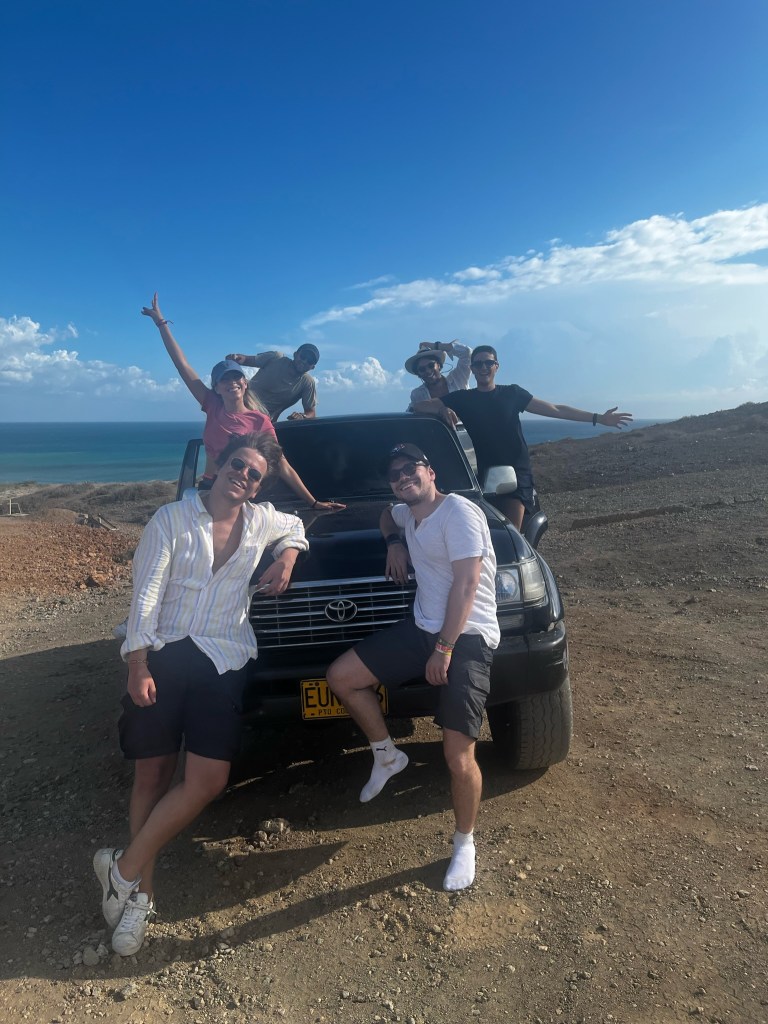
La guajira
Not easy at all to reach destination.
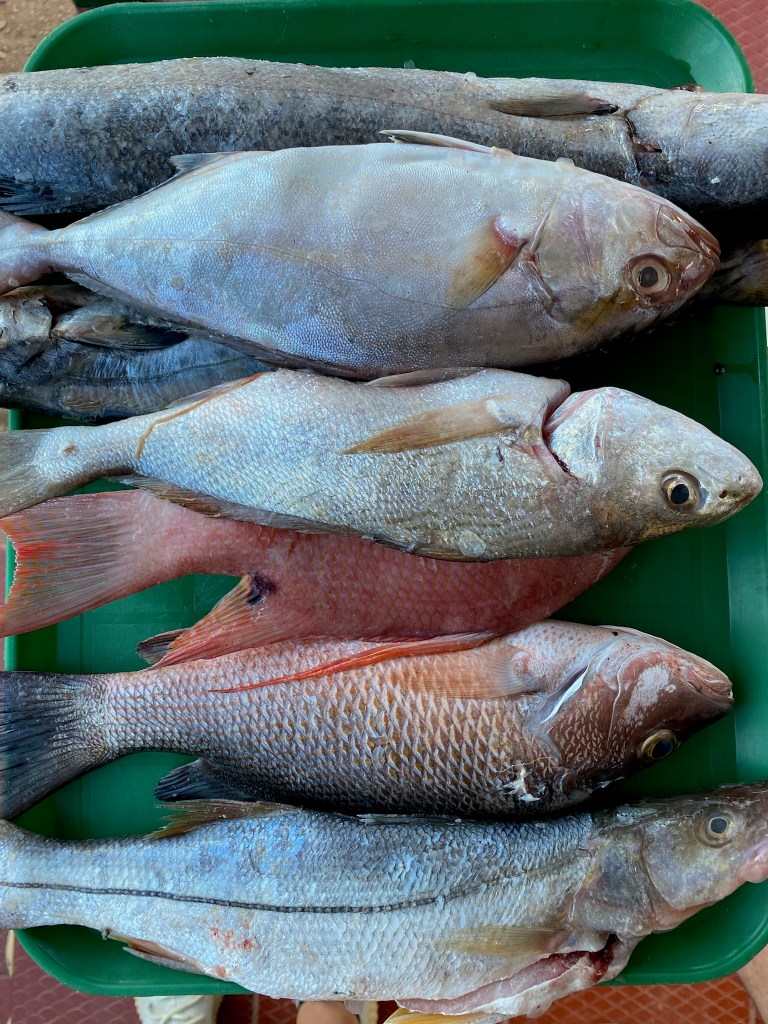

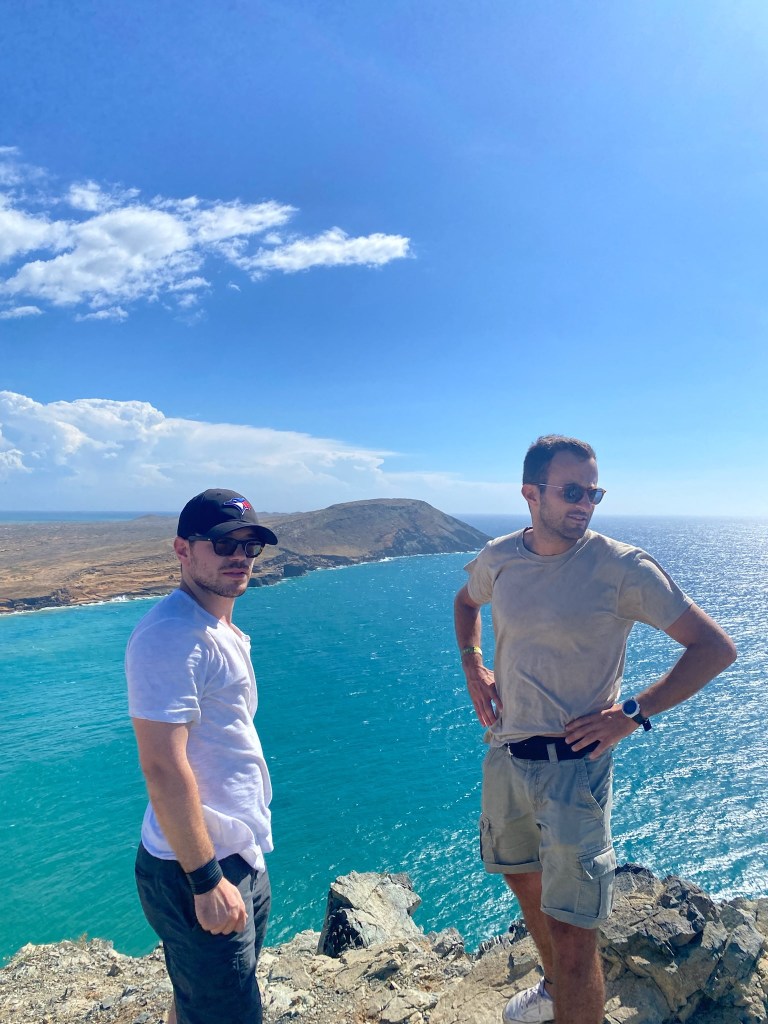
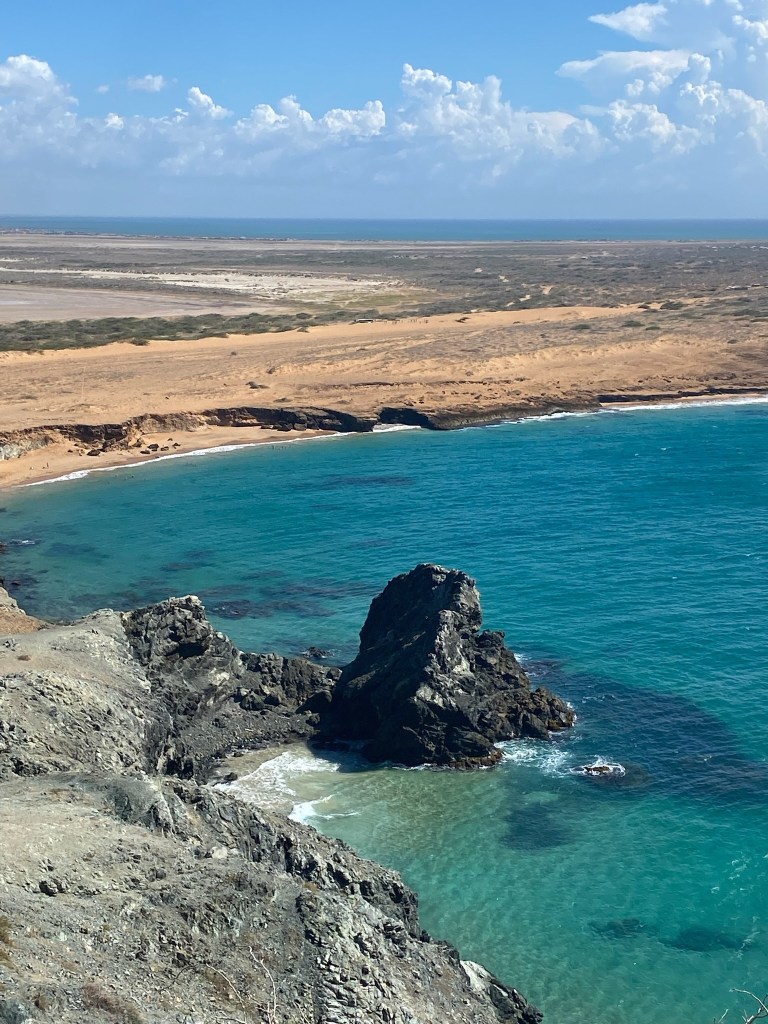
6️⃣ Tayrona national park: from riohacha we took a private transfer directly to the hostel we were staying in: Costeño beach.. it was right in front of the beach and we had a great time. We enjoyed the food, as well as the location with swimming pool and veeery cheap massages. After a first night of partying in the hostel we headed to the national park the day after, from the receiption we could easily get moto taxi till the national park.
One day and two nights are enough in Tayrona as the main touristic destination is Tayrona national park, this is a long walk to reach destination, however you can either choose horses or go by walk. Long lines to enter so I advise you to enter early in the morning. We headed to the beach in the north, the way up was with horses while we decided to walk for the way back. This is the typical Oceanian sea, so don’t expect that tiny paradise called Mediterranean Sea. However the biodiversity, animals and landscape were truly interesting to have a look at, in typical jungle environment.
7️⃣ Cartagena is a colonial city on Colombia’s Caribbean coast. The historic walled city remains alongside the ultramodern skyscraper-filled Bocagrande. Cartagena is famous for its castles, culture, history and colourful buildings. Cartagena has played a major part in Colombia’s history, protecting the country from a number of invasions, as well as battling pirates who desired the city’s treasure and riches. We decided to visit it as a last stop of the trip, again we found a private transfer to reach it. In Cartagena we rented an historical villa in city center, and we had the real first moment of relax of the entire vacation. The city itself is a pretty touristy destination, probably the most touristic of the entire travel, and this means a lot of people, lot of tourist traps and higher prices compared to average Colombia. To be honest prices were in some restaurants not different from certain south EU countries. This does not mean you won’t have a great time there, in the evening I strongly advice to visit Alquímico, amongst the top 50 bars in the world. Try to find a way to reach the rooftop, usually with limited entrance. Don’t miss Baruco by Cuzco, ask when the live music is and book a table for the night!
 Luca in Wonderland
Leave a comment